Common Causes of Cracked Concrete Sidewalks and How Installation Quality Matters
To prevent cracks and ensure durability, local contractors specializing in concrete sidewalk installation can provide expert craftsmanship and quality materials.
Understanding the common causes of cracked concrete sidewalks and how installation quality matters can help property owners make informed decisions about their outdoor spaces. Cracks often develop due to factors like soil movement, improper base preparation, or exposure to freeze-thaw cycles. Recognizing these issues early can prevent more extensive damage and costly repairs down the line. Property owners in the area who are considering sidewalk installation or repair may find it beneficial to explore how proper installation techniques by experienced local contractors can enhance durability and longevity, ensuring sidewalks remain safe and visually appealing for years to come.
Choosing the right local service providers for concrete sidewalk installation can make a significant difference in how well the project withstands environmental stresses and daily wear. Quality installation involves careful site assessment, proper material selection, and precise execution-all of which contribute to reducing the risk of cracks caused by foundation shifting or improper curing. Property owners interested in maintaining a safe, attractive sidewalk should consider connecting with local contractors who prioritize quality workmanship, as this can help mitigate common issues and extend the lifespan of the concrete surfaces they install. Keep reading to learn more about how installation quality influences sidewalk performance and what to look for when selecting a service provider.
- Concrete sidewalk installation services are often sought when existing sidewalks develop cracks due to poor initial work or shifting ground, and local contractors focus on proper subgrade preparation and reinforcement techniques. When uneven settling causes cracks, local pros emphasize accurate leveling and high-quality materials to ensure long-lasting results. Cracks resulting from temperature fluctuations are addressed by skilled installers who incorporate expansion joints and flexible concrete mixes. In cases of surface spalling or scaling, local service providers prioritize proper curing and finishing methods to improve durability. Proper installation quality from experienced contractors helps prevent common causes of cracked concrete sidewalks and extends their lifespan.
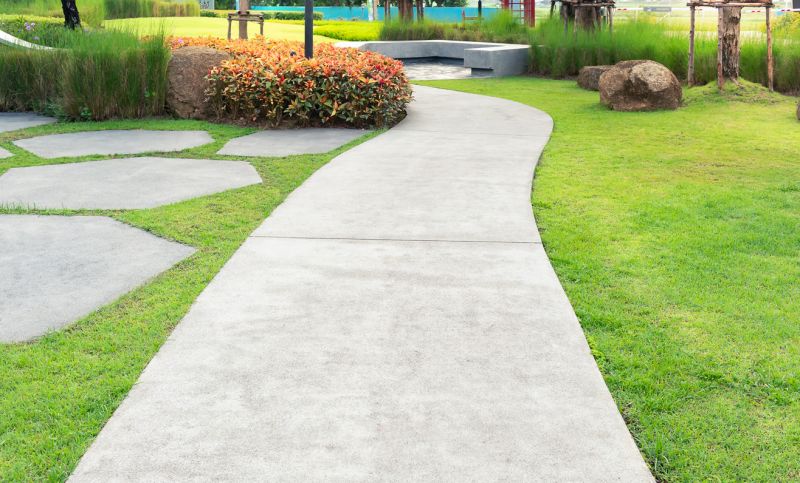

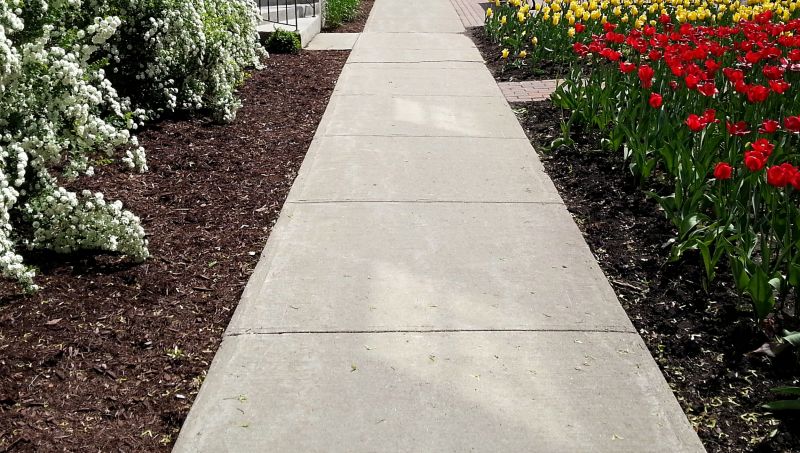
When homeowners search for information about common causes of cracked concrete sidewalks and how installation quality matters, they are often looking to understand why their sidewalks have developed cracks or uneven surfaces. Cracks can appear for various reasons, including natural settling, temperature fluctuations, or improper initial installation. Many property owners want to identify whether these issues stem from poor construction practices or environmental factors, as this knowledge can influence decisions about repairs or replacements. This topic is especially relevant for those planning new sidewalk installations or repairs, aiming to ensure durability and safety for pedestrians. Understanding the root causes helps homeowners make informed choices about working with local contractors who prioritize quality installation to prevent future problems.
Problems related to cracked concrete sidewalks often involve structural integrity, safety concerns, and property value. Cracks can pose tripping hazards or lead to further deterioration if not addressed promptly. For property owners with residential homes, commercial properties, or multi-unit complexes, the condition of the sidewalk can impact both aesthetics and functionality. Many plans involve repairing existing cracks or installing new concrete surfaces that last longer and resist cracking. Recognizing the common causes of these issues helps property owners evaluate whether the problem is due to environmental stressors, soil movement, or poor installation practices. This understanding underscores the importance of engaging experienced service providers who focus on proper site preparation, quality materials, and precise installation techniques.
The types of properties that typically encounter cracked concrete sidewalks include residential neighborhoods, commercial districts, and multi-family housing complexes. In residential settings, cracks often result from shifting soils or temperature-related expansion and contraction. Commercial properties may experience more frequent cracking due to higher foot traffic and heavier loads, which can stress the concrete over time. Multi-unit complexes and public spaces require sidewalks that can withstand constant use and environmental exposure. For these property types, the quality of installation plays a critical role in how well the concrete withstands daily stresses. Local contractors who specialize in sidewalk installation understand the specific demands of different property types and emphasize proper preparation, reinforcement, and finishing techniques to reduce the likelihood of future cracking.
Proper installation quality is a key factor in preventing cracked concrete sidewalks. When sidewalks are poured with inadequate subgrade preparation, improper mixing, or rushed finishing, they become more vulnerable to cracking and other forms of damage. Skilled service providers pay close attention to site assessment, ensuring the ground is properly compacted and stable before pouring. They also use quality materials and follow best practices for curing and finishing to create a durable, long-lasting surface. Homeowners and property managers who choose experienced local contractors benefit from sidewalks that are less prone to cracking, reducing maintenance needs and preserving property value. Ultimately, investing in quality installation helps ensure that concrete sidewalks remain safe, functional, and visually appealing for years to come.
Paving repair projects involve similar skills and tools used to address cracks and issues in concrete sidewalks, emphasizing proper installation techniques to prevent future damage.
Driveway installation requires careful planning and quality workmanship, paralleling sidewalk projects to ensure durability and resistance to cracking caused by poor installation.
Patio and outdoor surface construction shares planning and material handling skills, highlighting the importance of proper subgrade preparation to avoid common causes of cracked concrete sidewalks and how installation quality matters.
Foundation and slab work involves precise leveling and reinforcement, which are critical for preventing cracks in sidewalks and ensuring long-lasting results when local contractors follow best practices.
Walkway and pathway projects require similar planning and execution to sidewalks, with an emphasis on proper joint placement and material quality to reduce cracking risks.
Concrete repair services utilize techniques that address existing cracks, underscoring how proper initial installation can prevent the need for frequent repairs in concrete sidewalks.
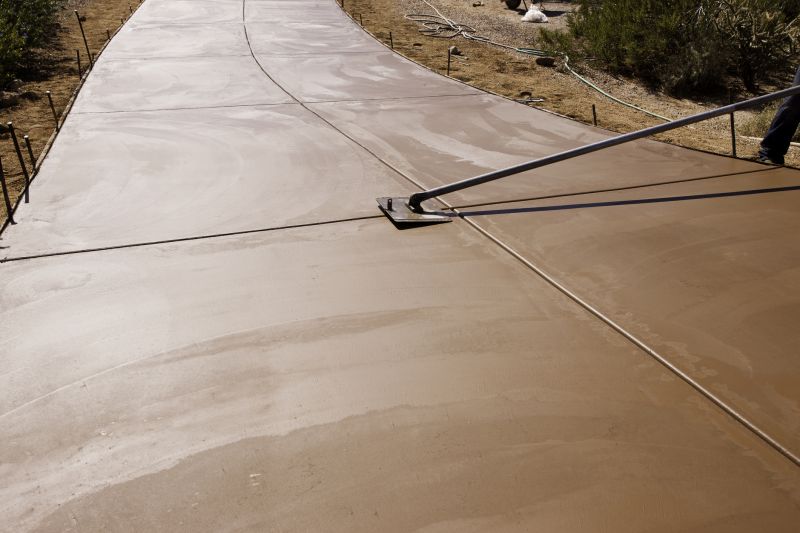
When evaluating concrete sidewalk installation services, it is important to consider the experience of local contractors with similar projects. Contractors who have handled a variety of sidewalk installations are more likely to understand the common causes of cracked concrete sidewalks and how installation quality matters. Their familiarity with different soil conditions, weather impacts, and foundational requirements can contribute to a more durable and long-lasting result. Asking about past work can provide insight into their expertise and whether they have successfully addressed issues related to common causes of cracked sidewalks, such as improper subgrade preparation or inadequate joint placement.
Clear written expectations are essential when comparing local service providers for sidewalk installation. A detailed scope of work should outline the specific steps involved, including site preparation, concrete mix considerations, and finishing techniques. This helps ensure that both parties are aligned on the quality standards and the measures taken to prevent common causes of cracked concrete sidewalks. Service providers who communicate expectations clearly and provide comprehensive proposals demonstrate professionalism and transparency, making it easier to assess their approach to installation quality and their understanding of factors that influence sidewalk longevity.
Reputable references and good communication are key indicators of a reliable contractor. Local pros with positive references can provide reassurance about their ability to deliver quality work and handle issues related to common causes of cracked sidewalks effectively. Good communication throughout the project also ensures that any concerns or questions are addressed promptly, reducing the risk of misunderstandings that could compromise the installation’s durability. When comparing providers, it is beneficial to seek out those who are responsive, transparent, and willing to discuss their methods for ensuring proper installation quality, as these qualities contribute to a successful outcome and a sidewalk that resists cracking over time.
Property owners often search for common causes of cracked concrete sidewalks and how installation quality matters when they are planning practical projects around their homes and businesses. Local pros provide Concrete Sidewalk Installation services for everyday jobs and straightforward project options.
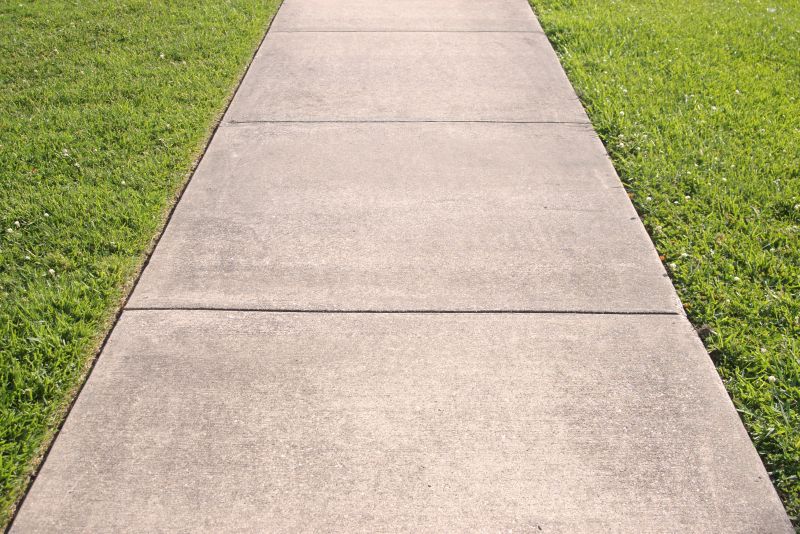
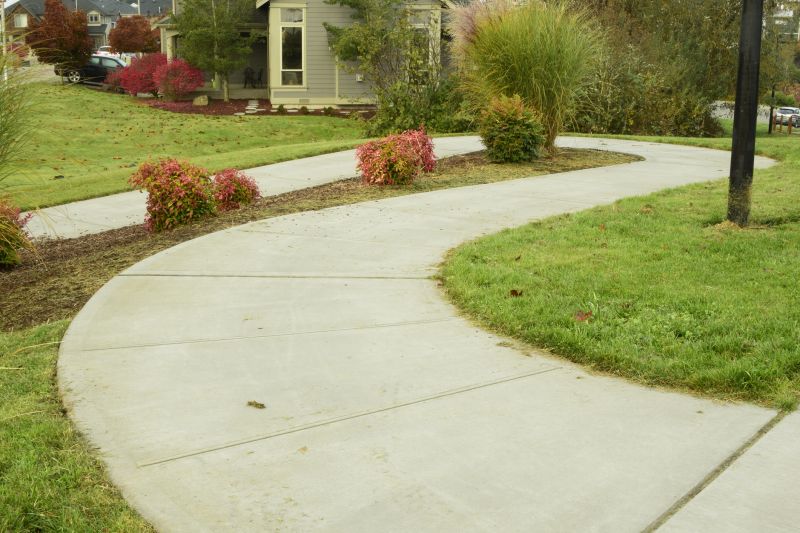
Cracked concrete sidewalks are a common concern for property owners dealing with everyday wear and tear. Factors such as soil shifting beneath the surface, exposure to freeze-thaw cycles, and heavy foot traffic can all contribute to cracks over time. Additionally, poor initial installation practices-like improper subgrade preparation or inadequate reinforcement-can make sidewalks more vulnerable to damage. Recognizing these causes can help property owners understand why cracks develop and emphasize the importance of quality installation when considering repairs or new installations.
The quality of the concrete sidewalk installation plays a crucial role in how well the surface withstands environmental stresses and daily use. Experienced local contractors know that proper site preparation, choosing the right mix, and ensuring correct curing are essential steps to prevent future cracking. When property owners seek out professional installation services, they can help ensure the sidewalk is built to last, reducing the likelihood of cracks caused by inferior workmanship or overlooked details. Connecting with trusted local service providers can make a significant difference in achieving a durable, long-lasting concrete sidewalk.
What are common causes of cracked concrete sidewalks? Common causes include soil movement, improper installation, freeze-thaw cycles, and heavy loads that exceed the concrete's capacity. Local contractors can assess site conditions to help prevent future cracking.
How does installation quality impact the durability of a concrete sidewalk? Proper installation ensures correct subgrade preparation, adequate reinforcement, and proper curing, which all contribute to reducing cracks and extending the sidewalk's lifespan. Skilled service providers focus on these key aspects.
Can soil movement cause cracks in concrete sidewalks? Yes, soil shifting or settling can create uneven pressure, leading to cracks. Experienced contractors often address soil stability during installation to mitigate this issue.
Why is proper subgrade preparation important for sidewalk installation? A well-prepared subgrade provides a stable base, preventing uneven settling and cracking over time. Local pros emphasize thorough subgrade work to enhance sidewalk longevity.
How do local contractors ensure high-quality installation to prevent cracks? They follow best practices such as proper reinforcement, correct mixing, and adequate curing, all of which help minimize cracking caused by installation issues. Contacting experienced service providers can improve sidewalk durability.
Proper Site Preparation - Ensuring a stable and well-drained base can prevent future cracking, making it important to work with local contractors who prioritize thorough site prep.
Quality of Materials - Using high-quality concrete mixes helps reduce the risk of cracks caused by shrinkage or weather changes, so property owners should choose experienced installation services.
Control Joints Placement - Correctly placed control joints allow for movement and expansion, which can be incorporated during installation by local pros to minimize cracking.
Installation Techniques - Proper pouring and finishing methods by skilled contractors contribute to a durable sidewalk that resists cracking over time.
If you are thinking about common causes of cracked concrete sidewalks and how installation quality matters for a property, this guide is meant to help you understand this topic, the typical project types, and how different options might fit your plans.
When you are ready, you can use the quote form on this page to share a few details about your project. From there, local pros can review the basics and follow up with options that match what you have in mind.